
Flames rip through illegal warehouse in Burrabazar | Watch Taaza TV's report
.gif)

Download Mobile App 







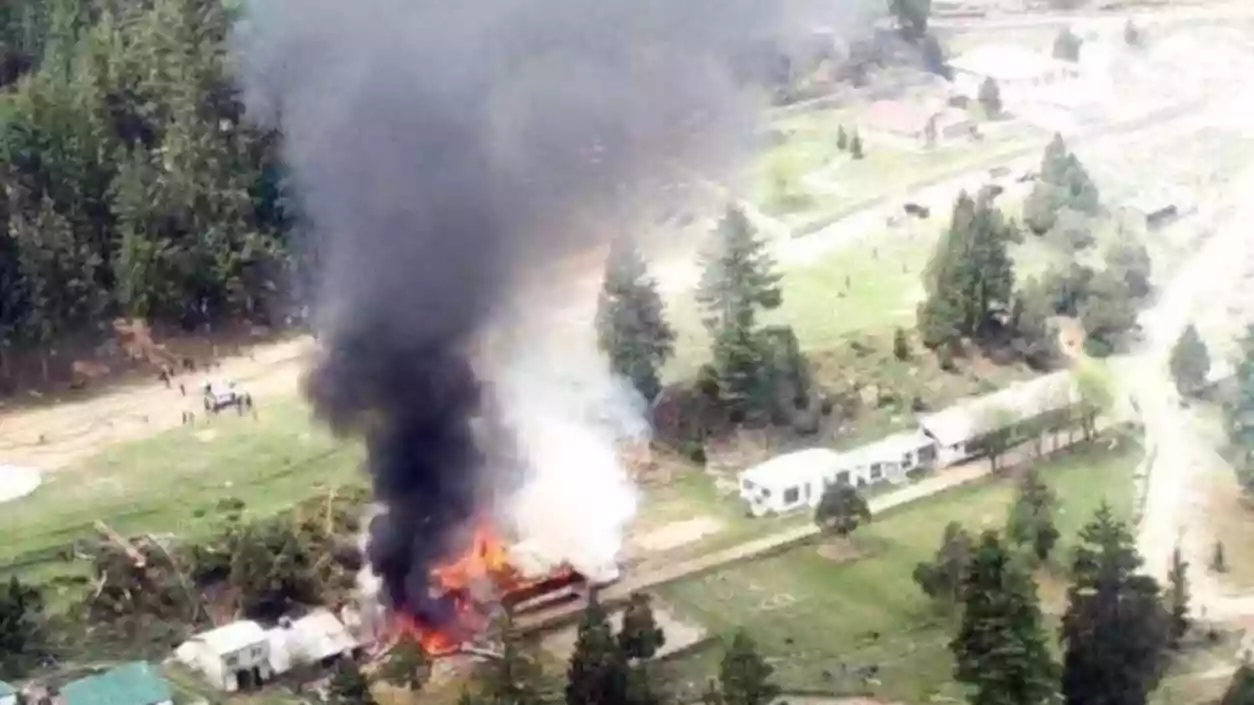
In America's Kentucky, what began as a routine cargo liftoff spiraled into one of the city's darkest hours: a UPS MD-11 cargo plane enroute Honolulu crashes seconds after leaving the runway at Louisville Muhammad Ali International Airport, slamming into an adjacent industrial zone and claiming at least seven lives. The triple-engine behemoth, Flight 2976, had barely clawed to 175 feet—reaching a fleeting 184 knots—when video footage captured ominous wing flames and a catastrophic engine separation, sending it plummeting into buildings that housed a petroleum recycling center and an auto parts supplier.
All three crew members perished on impact, joined by four ground fatalities leading to total 7 deaths while 11 others suffered severe injuries racing from the spreading inferno that choked the sky with acrid black smoke and forced a frantic shelter-in-place order across a five-mile radius. Emergency responders battled blazes that raged for hours, their sirens piercing the chaos as debris littered two key runways and grounded all flights through the night, turning the world's busiest cargo hub into a somber standstill.
The Federal Aviation Administration pinpointed the crash at 5:15 p.m EST local time and the fire is so ferocious which remains a haunting riddle. The National Transportation Safety Board dispatches its investigators to sift through the wreckage, a probe in pursuit of answers and safeguards against repeats of this grim echo from UPS's last fatal crash in 2013. Boeing, inheritor of the 34-year-old MD-11's lineage, pledges technical aid, while whispers of vulnerability ripple through the high-stakes world of air freight—serving pharma giants like Merck and the pulse of global retail. In a town where UPS isn't just jobs but identity. This incident is a stark reminder that even routine wings can falter, leaving indelible scars on sky and soil alike.









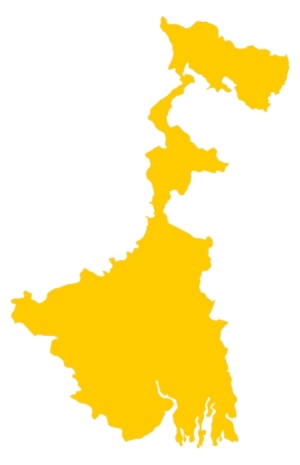 West Bengal
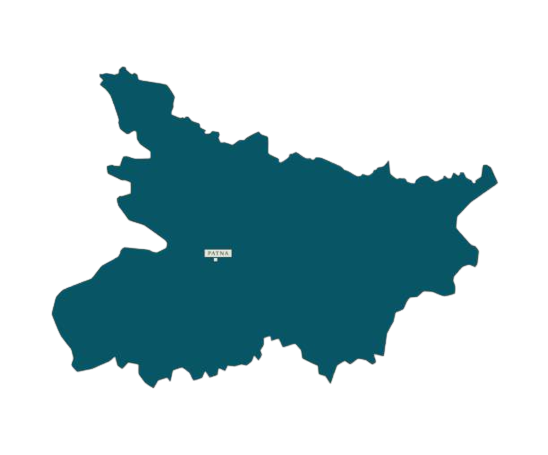 Bihar
Bihar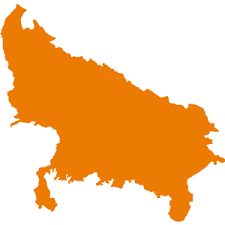 Uttar Pradesh
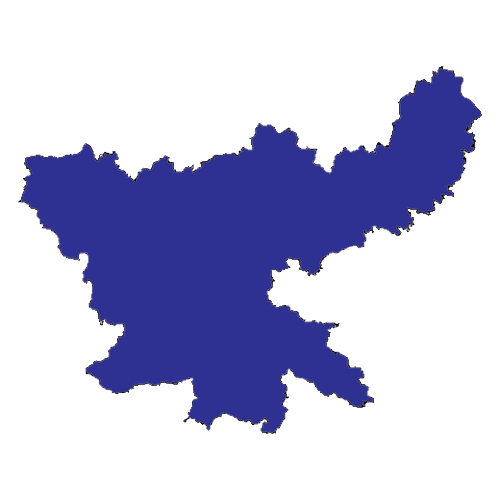 Jharkhand